Shohei Ohtani’s older brother spent two decades in the background of Japanese baseball. What their father learned from raising him changed the course of the son who came next.
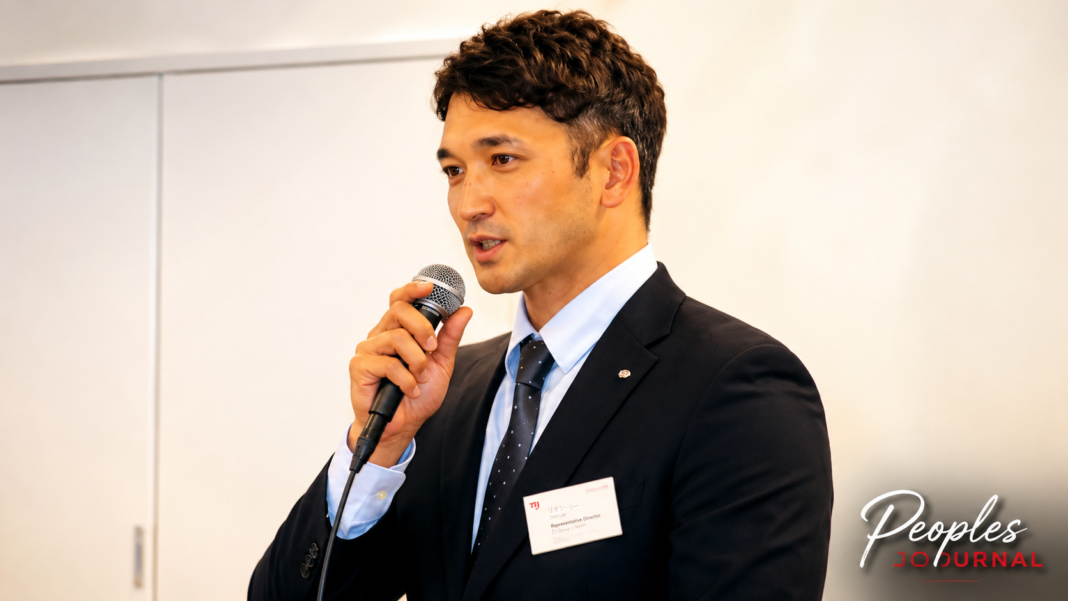
Ryuta Ohtani took the job in front of a row of cameras that had not come for him. It was January 8, 2025, in Kanegasaki, an industrial town in Iwate Prefecture, and the wire agencies had sent photographers to record the appointment of an amateur baseball manager. They were there for the surname. His younger brother, Shohei, had won the World Series with the Los Angeles Dodgers ten weeks earlier. Ryuta, then 36, was taking over as the eleventh manager in the history of the Toyota Motor East Japan baseball club, a team most of the country had never watched play. When his turn came to speak, he talked about an earthquake.
Table of Contents
Who is Ryuta Ohtani?
Ryuta is the older brother of Los Angeles Dodgers star Shohei Ohtani and the manager of the Toyota Motor East Japan baseball team, a corporate club in Iwate Prefecture. He was born on March 20, 1988, in Ōshū, Iwate, six years before Shohei, and has spent his adult life in Japan’s industrial baseball leagues, first as an outfielder and now in the dugout.
He comes from a household of athletes.
- His father, Toru, played amateur baseball before a shoulder injury at 25 ended his playing days.
- His mother, Kayoko, competed in badminton at a national level in high school.
- His sister, Yuka, played volleyball and later trained as a nurse.
Both brothers grew up in that same house, around baseball. The difference in where it took them starts with their father.
The brother who came first
In 2017, Toru Ohtani told the Mainichi Shimbun something he had carried for a long time.
“If only I had worked together with him more. I’ve got to give to Shohei what I couldn’t give to his older brother.”
The “him” in that sentence is Ryuta. As a boy he got little of his father’s time for baseball, because Toru worked long hours at the plant. Ryuta’s high school team went out in the prefectural qualifying round, short of any stage that counted, and the disappointment stayed with his father.
With Shohei, Toru did it differently. He filled notebooks on his son’s swing and throwing from elementary school onward, and he stayed close to the work in a way he had not managed with his first son. Those notebooks show up in most accounts of how Shohei Ohtani was developed. The older brother who came before them usually does not.
The long road home
Ryuta never got the call from a powerhouse baseball school that he wanted as a teenager, and he was honest about why. Years later he described his junior high days to the magazine Sportiva.
“When I was in junior high school, playing center or third place and batting 4th, I wanted to become a player who would play well and be invited to a famous high school. However, I didn’t have the ability. The team was also weak.”
He kept playing anyway. After high school he turned out for the Mizusawa Komagata Hardball Baseball Club, a club side, from 2006 to 2009. He then spent two seasons in the Shikoku Island League, an independent professional circuit on the far side of the country from home. When a new corporate team formed back in Iwate in 2012, he took the place, leaving independent ball for a roster of thirteen players who practiced on a borrowed school ground.
A team built from an earthquake
The team came together in 2012, the year Toyota merged three local companies into Toyota Motor East Japan, and a year after the Great East Japan Earthquake killed close to 16,000 people and destroyed towns along the Tohoku coast. The club was meant to give its workers and the surrounding region something to stand behind. Its motto was a plain one, about working hard and playing baseball hard.
Ryuta was one of those original thirteen. He played the outfield and coached at the same time from 2012 to 2021, and for six years the team kept falling short in the qualifying rounds. Then, on June 6, 2018, they beat Nippon Paper Industries to reach the Intercity Baseball Tournament, the first time the club had made the main draw. He had been there since the first day. After the win, he said the team had finally reached the national stage, and that he wanted to play it his own way.
On July 17, 2018, they faced Toshiba in the first round at the Tokyo Dome. He singled in the third inning. Toshiba won 12 to 1. A company team that had not existed in 2011 was now playing on the biggest stage in Japanese amateur baseball.
What Ryuta is building now
He stopped playing after the 2021 season and moved fully into coaching. Late in 2024 the club named him its eleventh manager, and at that January press conference in Kanegasaki he laid out what he wanted from the team, a club that pulls the company together and gives the Tohoku region a reason for pride.
That is why he started with the earthquake. The club was put together to give a recovering region something of its own, and he has been part of it since the first practice. His younger brother left for Los Angeles and the richest contract in baseball history. Ryuta stayed in Iwate and built something smaller and closer to the ground. The family worked out its hardest baseball lessons on the older son first, and the one who came after grew up on the answers.